



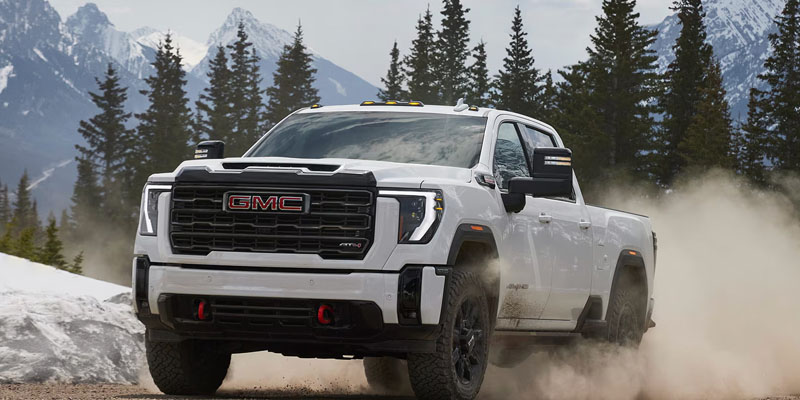
Michigan winter roads can change by the mile—powder to slush, refreeze to glare ice, then a fresh layer of road salt and spray. Add rural and county routes that may be less predictable than main corridors, and it’s easy to see why AWD vs 4WD becomes more than a shopping question.
We also want to set expectations clearly: traction systems can help you get moving and stay composed when grip is limited, but they do not rewrite physics. Stopping still depends on speed, tire grip, road conditions, and following distance—so smart inputs behind the wheel matter every time.
AWD vs 4WD: The Practical Differences
Both AWD and 4WD can route power to the front and rear axles to improve traction in snow and other low-grip conditions. The real difference is how the system is designed to be used: AWD is commonly tuned for everyday, mixed-condition driving, while 4WD is often tied to distinct modes you choose when conditions call for it.
On many vehicles, AWD is designed to react seamlessly as conditions change—helping maintain traction in snow before wheel slip becomes obvious. By contrast, many 4WD systems include modes such as two-wheel drive for normal dry roads, an automatic setting for variable winter surfaces, and a dedicated 4WD setting intended for loose or slippery terrain—then you shift back out as roads improve.
| Category | AWD (All-Wheel Drive) | 4WD (Four-Wheel Drive) |
|---|---|---|
| Best for | Mixed winter pavement: plowed roads with intermittent slick spots | Conditions where extra traction is needed: deeper snow, unplowed stretches, loose/slippery surfaces |
| Typical use | Day-to-day commuting, family trips, changing road conditions | Select when conditions call for it; some systems also offer an Auto 4WD setting for variable surfaces |
| Driver involvement | Often automatic; may include selectable settings on some vehicles | Often mode-based and driver-selectable (2WD/Auto/4WD settings vary by vehicle) |
| Confidence in mixed conditions | Steady and seamless when traction changes unexpectedly | Strong when used in the right mode for the surface; best results come from choosing the correct setting |
| Trade-offs | Not a substitute for winter tires or cautious driving | Using certain 4WD modes on high-traction dry pavement may be discouraged; shift out when conditions improve |
Where Buick and GMC Fit In
Buick and GMC owners in our area tend to use their vehicles in the real-world mix that Michigan winters demand: commuting through slush, school and family travel, weekend trips that start on plowed roads and end on snow-covered driveways, and hauling gear to work sites or outdoor destinations.
That’s where all-wheel drive vs four-wheel drive becomes practical. AWD can feel natural for drivers who want consistent, automatic support as conditions change from lane to lane. Many 4WD-equipped vehicles, on the other hand, give you more direct control—useful when you know you’re heading into conditions where traction in snow is the limiting factor and you want to select the right mode for the surface.
No matter which system you have, the win is the same: understanding what your vehicle is doing, choosing the appropriate settings when needed, and pairing the drivetrain with strong basics—good tires, healthy brakes, and clear visibility.
Winter Service Tips We Recommend
Winter capability is rarely about one feature. It’s usually a stack of small advantages that add up—especially when roads are wet, salty, and inconsistent. For Buick GMC service in winter, we recommend focusing on these essentials:
- Tire condition and pressure: Tires are the only parts touching the road, and they influence traction in snow, steering feel, and braking confidence.
- Alignment and steering feel: If the vehicle pulls or feels unsettled, an inspection can restore predictable tracking on slick surfaces.
- Brake checks: Winter driving increases the need for smooth, confident braking; if braking feels different, address it early.
- Battery health: Cold weather is hard on batteries; slow starts or electrical oddities are a sign to test before the next storm.
- Wipers, washer system, and visibility: Salt film builds fast; clear glass and effective wipers reduce fatigue and improve reaction time.
- General fluid checks and leak inspection: Winter is when small issues tend to become urgent.
For AWD/4WD owners specifically, we also recommend a quick “pay attention” routine:
- Listen and feel: New clunks, binding sensations, or vibrations during turns should be checked.
- Watch for warning lights/messages: If the vehicle indicates a drivetrain mode issue or traction system warning, schedule an inspection rather than guessing.
- If something feels off, trust that instinct: AWD and 4WD systems vary by vehicle, so a quick inspection is the safest path to confident operation.
Common Myths
- Myth: AWD means you can stop faster.
AWD can help you get moving, but stopping is still about tire grip and safe spacing. - Myth: If you have 4WD, tires don’t matter as much.
Tires still determine traction in snow—especially for braking and turning. - Myth: 4WD should stay on “just in case” all winter.
Many vehicles have specific guidance on which 4WD modes to use on which surfaces; using the wrong mode at the wrong time can be counterproductive. - Myth: If traction control activates, something is wrong.
It often means the system is doing its job—reducing slip and helping you stay composed when the road is slick.
FAQs
Is AWD or 4WD better for snow?
It depends on where and how you drive. AWD is often a comfortable fit for mixed winter pavement that changes quickly, while 4WD can be especially helpful when you need extra traction on looser or more challenging surfaces. The best choice is the one that matches your typical routes and comfort with selecting modes.
Does AWD help you stop faster?
Not necessarily. AWD is primarily about helping you maintain traction when accelerating and staying composed when conditions change, while stopping still depends heavily on tire grip and safe following distance. Slowing down early and leaving extra space remain essential winter driving tips.
Do I still need winter tires?
Tires matter because they influence acceleration, turning, and braking. Dedicated winter-capable tires are designed to maintain grip in cold conditions and can improve control on snow and slush. Even with AWD or 4WD, tires remain one of the biggest factors in winter traction.
When should I use 4WD (if equipped)?
Use 4WD modes when conditions call for extra traction—such as snow-covered roads, unplowed stretches, or other slippery/loose surfaces. Many vehicles also offer an automatic 4WD setting intended for variable winter roads, and you should shift out of higher-traction modes as conditions improve. When in doubt, follow your owner guidance and let our team help you choose the right approach.
Can I drive 4WD on dry pavement?
Many systems caution against using certain 4WD modes on dry surfaces or roads with good traction. If your vehicle offers an Auto setting designed for variable conditions, that may be a better fit when roads are inconsistent, but the right answer depends on how your system is designed. When conditions improve, it’s wise to return to the recommended on-road mode for your vehicle.
What maintenance matters most for winter traction?
Start with tires, brakes, and steering/alignment feel—those are the foundations of control. Battery health and visibility also play a big role in safer winter driving. A multi-point inspection is a practical way to check these areas at once.
Book Winter-Ready Service
If winter traction has felt unpredictable—or if you simply want peace of mind before the next round of snow and slush—we can help. We can inspect tires, brakes, battery health, wipers, and the general operation of AWD/4WD-related systems so you head out with fewer surprises and more confidence.
Book your visit through our service scheduler, or explore our new Buick and GMC inventory if you’re comparing drivetrains for your next winter season.
Connect with us


- 2026 GMC Acadia
- 2026 GMC Sierra-1500
- Buick SUVs With Best Gas Mileage
- Frankenmurth GMC Vehicles
- Frankenmuth Activities
- Frankenmuth Buick Dealer
- Frankenmuth Buick Service
- Frankenmuth Used Cars
- GM Service
- Mike Young Buick GMC
- Mike Young Buick GMC Service
- New2026 Buick Enclave
- Tire Service
- Uncategorized