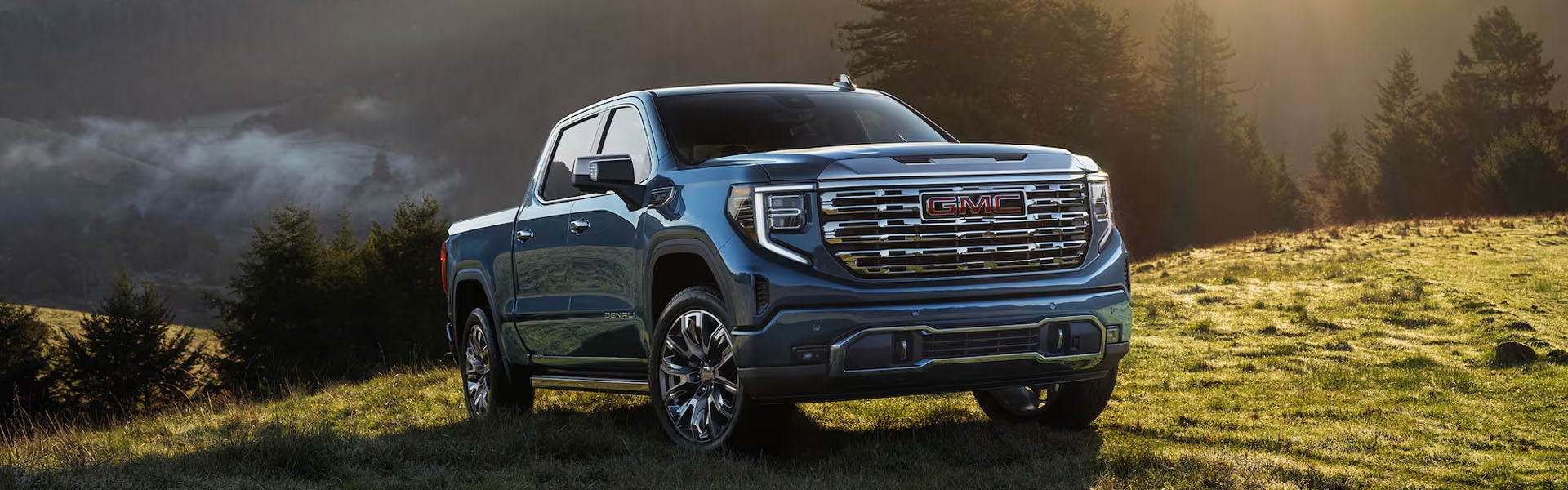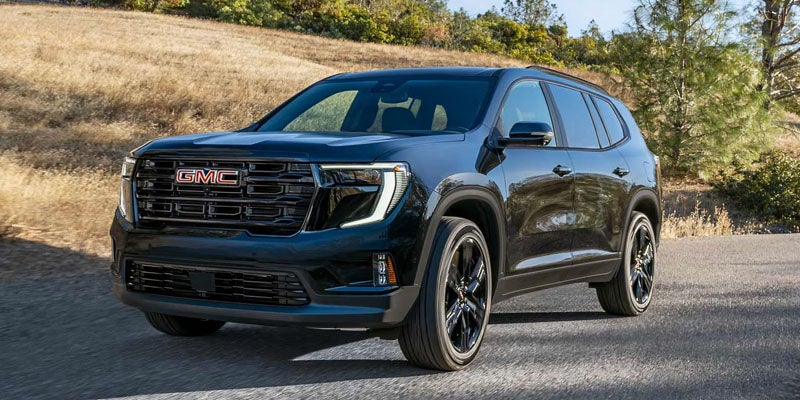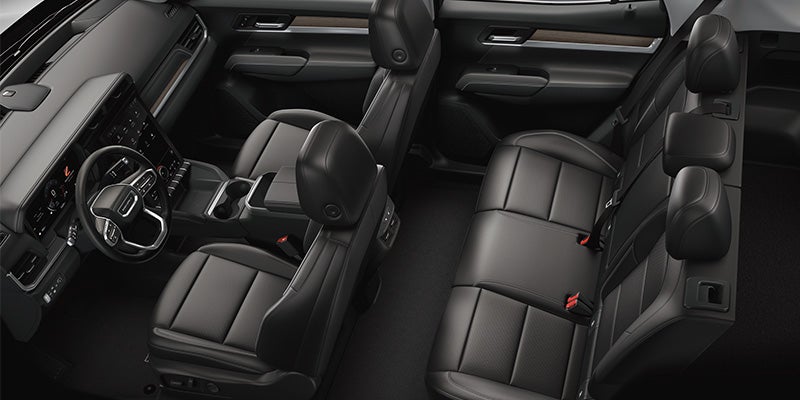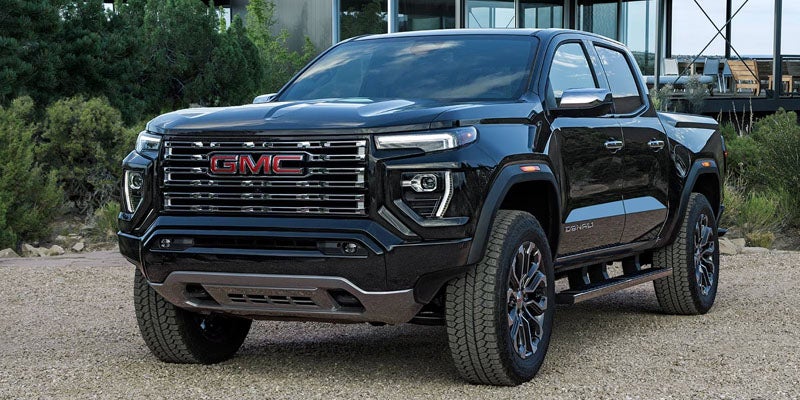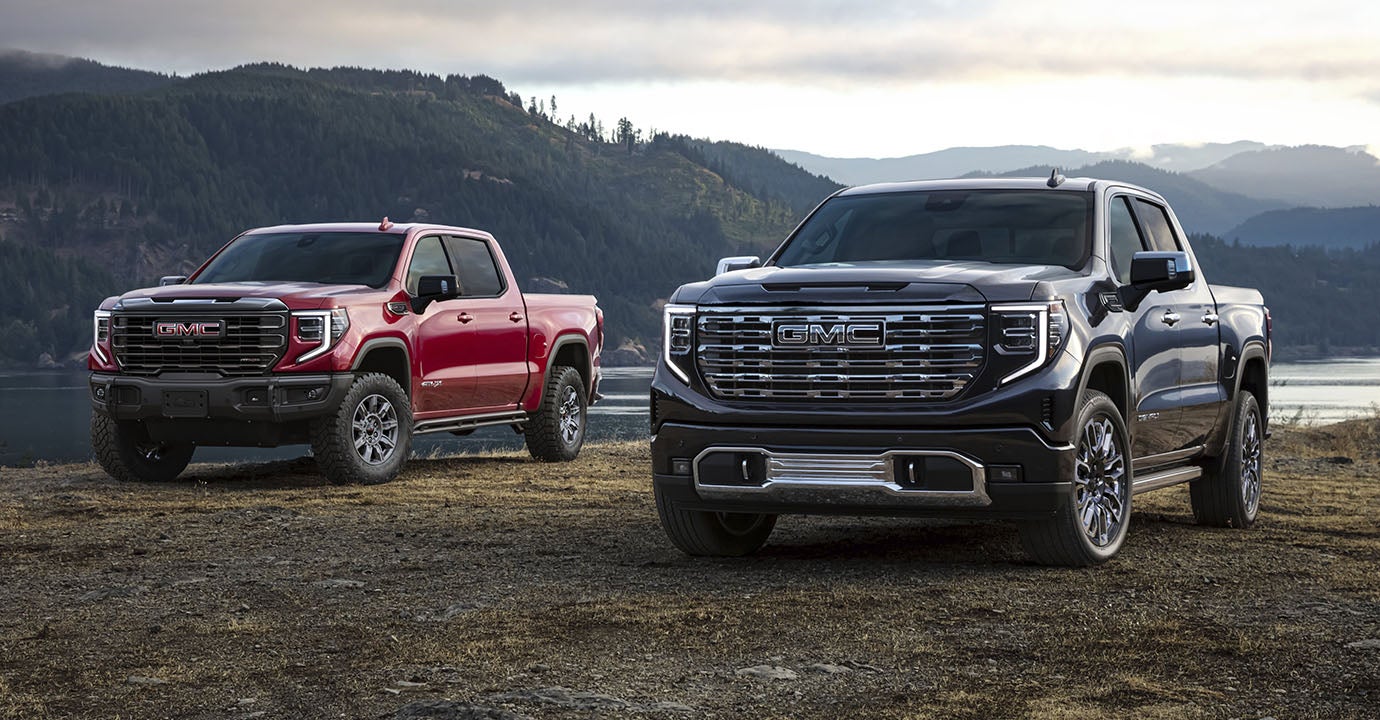




Choosing your next GMC involves more than deciding between a Terrain SUV and a Sierra pickup. There's another decision that can affect your finances for years: leasing or buying. Both options put you behind the wheel, but their costs, restrictions, and long-term benefits differ considerably. For drivers around Frankenmuth, MI, understanding those differences is the first step toward making a confident financing decision. Leasing a GMC: Lower Payments, More Frequent Upgrades Leasing allows you to drive a new GMC for a predetermined period, typically 24 to 36 months, while making monthly payments. Because those payments generally cover the vehicle's expected depreciation during the lease term, they're often lower than payments on a comparable purchase loan. That can make leasing attractive for drivers interested in upgrading regularly, perhaps moving into a newer GMC Acadia or Sierra 1500 every few years. At lease-end, you typically return the vehicle or exercise an available purchase option. However, mileage allowances, excess wear charges, and modification restrictions deserve careful attention. Leasing also doesn't build ownership equity. Buying a GMC: Ownership and Long-Term Flexibility Financing a purchase means borrowing against the vehicle's purchase price and making payments until the loan is satisfied. Once it's paid off, you own the GMC outright. That's especially appealing for drivers who accumulate substantial mileage, plan to keep their vehicles for years, or need the freedom to customize them. GMC Sierra 2500 HD and Sierra 3500 HD buyers, for example, may value ownership when their trucks serve demanding work and towing requirements. GM Financial offers financing options across the GMC lineup, including electric models such as the Sierra EV. Online prequalification can also help buyers explore financing possibilities before visiting the dealership. Comparing Monthly Costs and Long-Term Value A lower monthly payment doesn't automatically mean a lower total ownership cost. Leasing can reduce monthly expenses, but repeated lease agreements mean continuing payments without acquiring the vehicle. Buying may require larger monthly payments, yet ownership provides the opportunity to drive payment-free after the loan is satisfied. Loan interest, lease fees, down payments, taxes, and insurance can all influence the calculation. Buyers also retain the ability to sell or trade their vehicles, subject to any outstanding loan balance. Comparing the total cost over your expected ownership period provides a clearer financial picture. Mileage and Vehicle Use Can Decide the Issue Consider two different Michigan drivers. One wants a new GMC Terrain every few years, drives predictable annual mileage, and enjoys having updated technology. Leasing could be an attractive fit. Another operates a Sierra HD for business, drives extensively, and expects to keep the truck well beyond 100,000 miles. Buying offers greater flexibility without lease mileage penalties. Drivers interested in advanced connected features, including available Google Gemini integration in select GMC vehicles, may also appreciate leasing's shorter replacement cycle. Your driving habits should carry more weight than the appeal of a particular monthly payment. Don't Overlook Certified Used GMC Vehicles Purchasing doesn't necessarily require choosing a brand-new vehicle. GMC certified used models provide another financing option for shoppers seeking different purchase costs and ownership flexibility. Depending on eligibility and lender terms, financing may be available through GM Financial. Comparing new leases, new-vehicle loans, and certified used financing can reveal alternatives that deserve consideration. Explore GMC Financing at Mike Young Buick GMC The best financing arrangement depends on your mileage, budget, vehicle requirements, and ownership plans. Visit Mike Young Buick GMC in Frankenmuth, MI, to compare leasing and purchasing options, review available inventory, and explore your trade-in value. The dealership team can help you evaluate financing terms before choosing your next GMC.

GMC Winter Service Guide: Preparing Your Truck or SUV for Michigan Weather
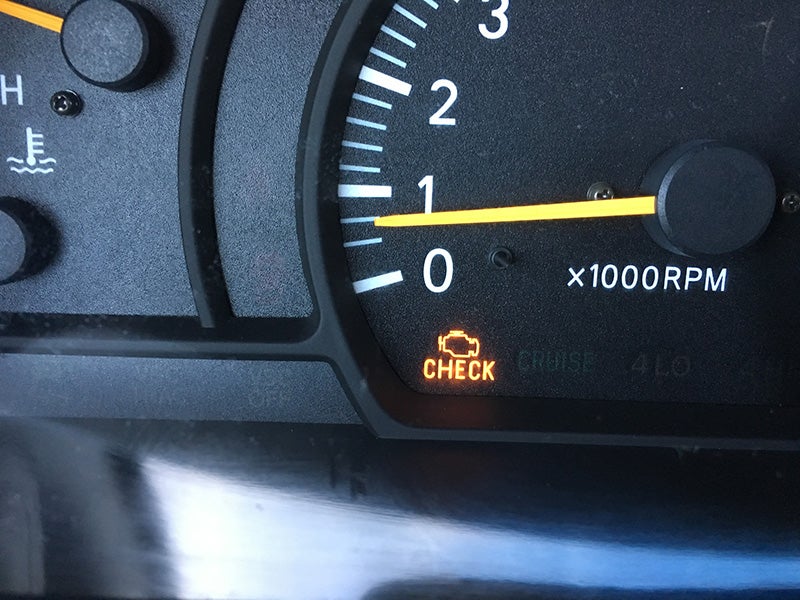
Michigan winters put vehicle engineering to the test. Freezing temperatures reduce battery performance, snow compromises traction, and road salt accelerates corrosion. Even a capable GMC Sierra or Yukon needs proper maintenance to handle those conditions reliably. For drivers around Frankenmuth, MI, scheduling a winter inspection at our GMC service center before temperatures plunge can help prevent expensive repairs and inconvenient breakdowns. Why Winter Maintenance Deserves Attention Cold weather affects nearly every major vehicle system, from electrical components to tires and engine lubrication. GMC trucks and SUVs are engineered for demanding conditions, but mechanical durability still depends on maintenance. A pre-winter inspection helps identify worn components, deteriorating fluids, and developing electrical problems before freezing weather makes them worse. Addressing those concerns early is generally less expensive and considerably more convenient than arranging emergency repairs during a snowstorm. Battery Testing: Cold Weather's Electrical Challenge A battery that starts your GMC without hesitation in September may struggle in December. Low temperatures reduce available battery power while increasing the energy required to crank a cold engine. GM Certified Service technicians can test battery condition and cold-cranking performance while inspecting charging-system operation and electrical connections. GMC vehicles have different electrical requirements, including conventional gasoline and diesel models versus electric vehicles such as the Sierra EV. Technicians familiar with those systems can identify potential problems and recommend appropriate maintenance before a weak battery leaves you stranded. Tires: Where Winter Performance Begins Even the most sophisticated traction-management system depends on four relatively small contact patches. Worn tread, incorrect inflation pressure, and unsuitable tires can undermine braking, steering, and acceleration on snow-covered roads. A winter tire inspection evaluates tread depth, inflation, and overall condition. Dedicated winter tires can provide improved cold-weather traction compared with many all-season alternatives. GMC technologies, including available Transparent Trailer View on properly equipped models, can assist drivers with visibility, but they cannot compensate for inadequate tire grip. Fluids and Diesel Fuel Require Special Attention Cold temperatures change how fluids behave. Engine oil must maintain appropriate viscosity, coolant needs sufficient freeze protection, and windshield washer fluid should withstand Michigan temperatures. Brake fluid condition also deserves inspection. GM Certified Service technicians can evaluate these fluid systems using specifications appropriate for your GMC. Diesel-powered Sierra HD owners should pay particular attention to fuel quality and cold-weather treatment because diesel fuel can develop wax crystals that restrict fuel flow in extreme temperatures. Proper seasonal preparation helps protect fuel-system operation. Check Your Connected and Driver-Assistance Systems Winter preparation also extends to vehicle technology. Depending on equipment and an eligible active service plan, OnStar® can provide emergency assistance, roadside support, and compatible remote vehicle functions. Confirming service availability before winter is worthwhile. Cameras and sensors supporting available Super Cruise® and other driver-assistance technologies should remain clean and unobstructed. Snow, ice, and road grime can interfere with their operation. Drivers are advised to remain attentive and follow each system's operating limitations, particularly during poor weather. Schedule GMC Winter Service in Frankenmuth A thorough seasonal inspection can identify developing problems before Michigan's harshest weather arrives. Mike Young Buick GMC in Frankenmuth, MI, offers GM Certified Service for GMC trucks and SUVs, including battery testing, tire inspections, and fluid maintenance. Schedule your winter service appointment before freezing temperatures and heavy snowfall put additional demands on your vehicle.