

Blog / Frankenmurth GMC Vehicles

Confident and Compact: The 2025 GMC Terrain Elevation

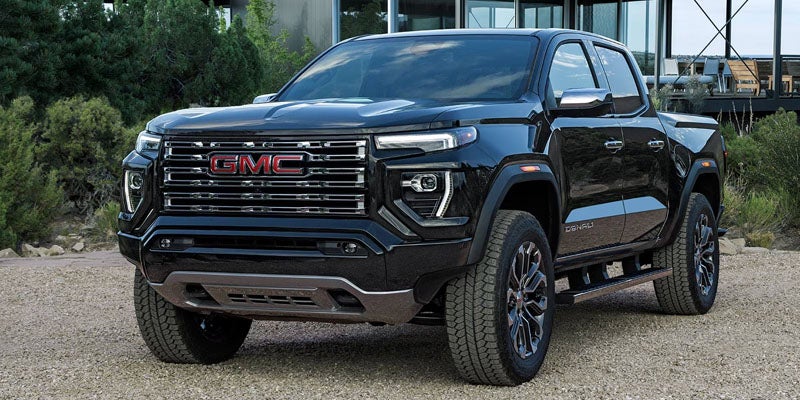
Black 2025 GMC Terrain Elevation

If you're looking for a vehicle that's big on personality but compact enough for everyday ease, check out the 2025 GMC Terrain Elevation. With its bold styling, efficient power, and advanced tech, the Terrain Elevation delivers the confidence of a larger SUV in a sleek, city-friendly package.

Distinctive Design

With its sleek LED headlamps and upright grille, the Terrain Elevation makes a bold first impression. Stylish 17-inch Grazen Metallic wheels, black mirror caps, and an available panoramic sunroof add to its fun, sporty vibe. Optional features such as a two-tone roof and blacked-out exterior accents elevate the design even more. Automatic high beams, deep-tinted rear glass, and heated side mirrors enhance everyday functionality.

Its compact size is a true asset, making it easy to navigate busy streets and slip into tight parking spaces with confidence.

Spacious and Stylish Interior

The Terrain Elevation has two rows of comfortable, premium cloth seating. It seats five and has enough legroom for even taller passengers to stretch out. Heated front seats, a heated steering wheel, and remote start help keep you comfortable in any weather, while keyless open, push-button start, and a sport-style steering wheel add convenience and style. The 11-inch configurable driver information center gives the driver the most important vehicle information at a glance.

Efficient Performance

The Terrain comes with a 1.5L turbocharged engine that delivers 175 horsepower and 184 lb-ft of torque. In the standard front-wheel drive configuration, this pairs with a Continuous Variable Transmission (CVT). If you opt for the available all-wheel drive with hill descent control, you'll get an eight-speed automatic transmission. Either way, the Terrain Elevation delivers responsive and efficient performance. With front-wheel drive, the Terrain Elevation gets a combined 27 mpg, and the all-wheel drive model gets a combined 25 mpg.

Advanced Tech

A 15-inch infotainment touchscreen comes standard on the Terrain Elevation, and it includes Google built-in, wireless Apple CarPlay and Android Auto, and natural voice recognition. Wi-Fi hotspot capability means your passengers can go online even on the road, and the available wireless charging keeps your devices powered without the cords.
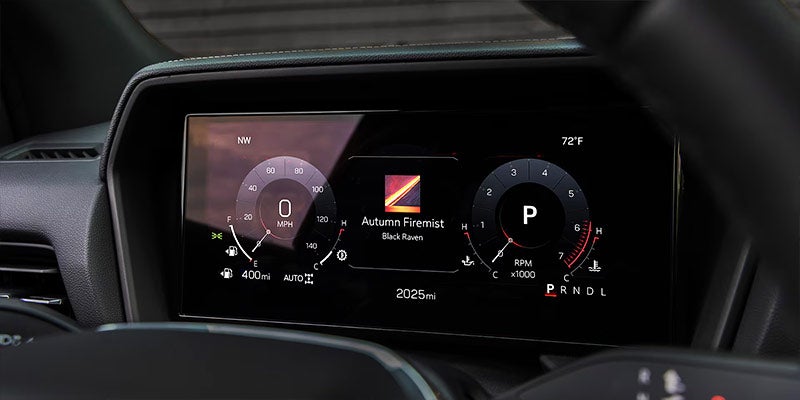
infotainment for 2025 GMC Terrain

Modern Safety and Driver Assistance

GMC has loaded the Terrain Elevation with over 15 safety and driver assistance features, including forward collision alert, a high-definition rearview camera, rear park assist, and adaptive cruise control. For even more confidence in parking and backing up, there's an available rear camera mirror.

With its confident styling, upscale features, and smooth performance, the Terrain Elevation is ideal for drivers who want refinement, capability, and practicality in one sleek, compact package. Come see us at Mike Young Buick GMC in Frankenmuth, MI, to take it for a test drive today.
Posted in:

Related Posts

2026 GMC Sierra 1500 Frankenmuth, MI

When Should You Move From a Sierra 1500 to a GMC Sierra HD?

If you find yourself hauling heavier loads or pushing your current pickup to its limits, you might wonder if it is time to upgrade to a GMC Sierra HD. Truck shoppers frequently face this decision, and the answer depends heavily on your daily vehicle use. If you want expert guidance right away, drivers can always contact Mike Young Buick GMC in Frankenmuth, MI for personalized advice on finding the perfect truck for their lifestyle. What Makes the GMC Sierra HD Different The GMC Sierra HD tackles a different category of work than a standard half-ton truck. The Sierra 1500 remains an excellent all-around pickup, but the Sierra HD provides a heavier-duty frame, a more robust suspension, and significantly higher towing and payload ratings. GMC offers both 2500HD and 3500HD configurations to match your specific demands. A heavy-duty GMC truck presents a highly practical solution if your current vehicle strains under regular workloads. Signs Your Sierra 1500 Might Not Be Enough Several clear indicators show when a half-ton truck works harder than it should. You may exceed safe Sierra 1500 ratings if you frequently tow fifth-wheel trailers, large boat setups, or multiple pieces of equipment. Payload limits operate similarly. Loading a truck bed with heavy landscaping materials or construction supplies regularly stresses a half-ton pickup. Handling and braking feel noticeably compromised when a truck operates near its limits, signaling the need for an upgrade. Who Benefits Most From a Heavy Duty Upgrade Contractors, farmers, and tradespeople naturally benefit from a heavy-duty GMC truck. Outdoor enthusiasts towing large campers, horse trailers, or race car haulers also discover that a Sierra 1500 lacks the desired confidence on long highway stretches. Commercial users requiring a dependable daily workhorse highly value the added durability the GMC Sierra HD brings to the job site. The Sierra HD Lineup at a Glance The 2026 GMC Sierra HD offers multiple trim levels, including the AT4 for off-road capability and the Denali for premium refinement. The Sierra HD Denali combines serious towing capability with a well-appointed interior, appealing to drivers seeking luxury alongside heavy-duty performance. Both the 2500HD and 3500HD models give buyers versatile options. The right choice typically depends on your preference for a gas or available diesel engine and the maximum towing capacity your workload demands. What to Consider Before You Switch Upgrading to a GMC Sierra HD requires careful consideration. The larger physical footprint impacts parking and maneuvering in tight spaces. Fuel economy also differs from a Sierra 1500, presenting a natural tradeoff for increased capability. Buyers should review current financing offers and incentives for models like the 2026 Sierra HD Denali. Evaluating your actual need for extra power helps clarify if this upgrade makes sense for your specific situation. Visit Mike Young Buick GMC in Frankenmuth, MI If you plan to transition from a Sierra 1500 to the GMC Sierra HD, the team at Mike Young Buick GMC in Frankenmuth, MI can help you compare models and find the exact right fit. Stop by the dealership or browse our digital showroom to explore current inventory and available offers on the entire Sierra HD lineup.

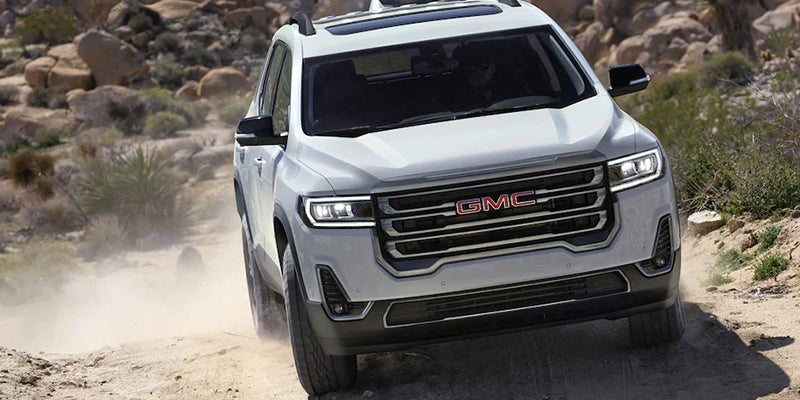
A white GMC Acadia driving off-road through a rocky desert terrain.

GM Certified Pre-Owned Guide: What Frankenmuth, MI Drivers Need to Know

Why Choose GM Certified Pre-Owned? When shopping for a used vehicle, reliability and peace of mind are often top priorities. That's where the GM Certified Pre-Owned (CPO) program shines. Designed to offer more than just a used car, this program ensures that every certified pre-owned Buick and GMC vehicle meets rigorous standards for quality and performance. To qualify, vehicles must be less than six model years old, have fewer than 75,000 miles, and have a clean title. For drivers in Frankenmuth, Michigan, this means access to a dependable vehicle backed by exceptional benefits. The GM Certified Pre-Owned guide outlines key advantages such as a thorough 172-point inspection, a factory-backed limited warranty, and roadside assistance. These features make certified pre-owned Buick and GMC vehicles stand out in the crowded used car market. The Inspection Process: Ensuring Quality One of the most critical aspects of the GM Certified Pre-Owned program is its comprehensive 172-point inspection. Every certified pre-owned Buick and GMC vehicle undergoes a meticulous evaluation by factory-trained technicians. This process covers everything from engine performance to interior condition, ensuring that each vehicle meets GM's high standards. For Frankenmuth drivers, this inspection provides peace of mind, knowing that their certified pre-owned vehicle is as close to new as possible. Whether you're considering a GMC Sierra for its towing capabilities or a Buick Enclave for family trips, the inspection guarantees quality and reliability. Warranty and Roadside Assistance: Added Peace of Mind Another significant benefit highlighted in the GM Certified Pre-Owned guide is the factory-backed limited warranty. This coverage includes a 6-year/100,000-mile powertrain limited warranty and a 12-month/12,000-mile bumper-to-bumper limited warranty, both with a $0 deductible. These warranties ensure that certified pre-owned Buick and GMC vehicles remain protected long after purchase. Additionally, the program provides 24/7 roadside assistance and Courtesy Transportation for the full duration of the powertrain warranty. Whether you're navigating Frankenmuth's scenic routes or venturing beyond Michigan, this service ensures help is just a phone call away. Why Certified Pre-Owned Buick and GMC Vehicles Matter Choosing a certified pre-owned Buick or GMC vehicle isn't just about reliability—it's about value. These vehicles offer modern features, advanced safety technologies, and impressive performance at a fraction of the cost of new models. For families in Frankenmuth, MI, this means access to premium vehicles like the GMC Acadia or Buick Encore GX without breaking the bank. Moreover, every eligible GM Certified Pre-Owned vehicle comes standard with a limited OnStar® trial, including Automatic Crash Response, Emergency Services, and Turn-by-Turn Navigation. You also receive a 3-month SiriusXM® All-Access Package trial featuring over 150 channels, adding even more value to your purchase. Explore Certified Pre-Owned Options at Mike Young Buick GMC The GM Certified Pre-Owned guide offers invaluable insights for drivers in Frankenmuth, MI, looking for quality and reliability in their next vehicle. With rigorous inspections, robust warranties, and added perks like roadside assistance, certified pre-owned Buick and GMC vehicles provide exceptional value. If you're ready to experience the benefits of the GM Certified Pre-Owned program firsthand, visit Mike Young Buick GMC in Frankenmuth, MI. Their inventory includes a wide range of certified pre-owned Buick and GMC vehicles tailored to meet your needs. From rugged trucks to luxurious SUVs, there's something for everyone.

2026 GMC Sierra 2500 HD

AWD vs 4WD for Michigan Winters

Michigan winter roads can change by the mile—powder to slush, refreeze to glare ice, then a fresh layer of road salt and spray. Add rural and county routes that may be less predictable than main corridors, and it’s easy to see why AWD vs 4WD becomes more than a shopping question. We also want to set expectations clearly: traction systems can help you get moving and stay composed when grip is limited, but they do not rewrite physics. Stopping still depends on speed, tire grip, road conditions, and following distance—so smart inputs behind the wheel matter every time. more AWD vs 4WD: The Practical Differences Both AWD and 4WD can route power to the front and rear axles to improve traction in snow and other low-grip conditions. The real difference is how the system is designed to be used: AWD is commonly tuned for everyday, mixed-condition driving, while 4WD is often tied to distinct modes you choose when conditions call for it. On many vehicles, AWD is designed to react seamlessly as conditions change—helping maintain traction in snow before wheel slip becomes obvious. By contrast, many 4WD systems include modes such as two-wheel drive for normal dry roads, an automatic setting for variable winter surfaces, and a dedicated 4WD setting intended for loose or slippery terrain—then you shift back out as roads improve. Category AWD (All-Wheel Drive) 4WD (Four-Wheel Drive) Best for Mixed winter pavement: plowed roads with intermittent slick spots Conditions where extra traction is needed: deeper snow, unplowed stretches, loose/slippery surfaces Typical use Day-to-day commuting, family trips, changing road conditions Select when conditions call for it; some systems also offer an Auto 4WD setting for variable surfaces Driver involvement Often automatic; may include selectable settings on some vehicles Often mode-based and driver-selectable (2WD/Auto/4WD settings vary by vehicle) Confidence in mixed conditions Steady and seamless when traction changes unexpectedly Strong when used in the right mode for the surface; best results come from choosing the correct setting Trade-offs Not a substitute for winter tires or cautious driving Using certain 4WD modes on high-traction dry pavement may be discouraged; shift out when conditions improve Where Buick and GMC Fit In Buick and GMC owners in our area tend to use their vehicles in the real-world mix that Michigan winters demand: commuting through slush, school and family travel, weekend trips that start on plowed roads and end on snow-covered driveways, and hauling gear to work sites or outdoor destinations. That’s where all-wheel drive vs four-wheel drive becomes practical. AWD can feel natural for drivers who want consistent, automatic support as conditions change from lane to lane. Many 4WD-equipped vehicles, on the other hand, give you more direct control—useful when you know you’re heading into conditions where traction in snow is the limiting factor and you want to select the right mode for the surface. No matter which system you have, the win is the same: understanding what your vehicle is doing, choosing the appropriate settings when needed, and pairing the drivetrain with strong basics—good tires, healthy brakes, and clear visibility. Winter Service Tips We Recommend Winter capability is rarely about one feature. It’s usually a stack of small advantages that add up—especially when roads are wet, salty, and inconsistent. For Buick GMC service in winter, we recommend focusing on these essentials: Tire condition and pressure: Tires are the only parts touching the road, and they influence traction in snow, steering feel, and braking confidence. Alignment and steering feel: If the vehicle pulls or feels unsettled, an inspection can restore predictable tracking on slick surfaces. Brake checks: Winter driving increases the need for smooth, confident braking; if braking feels different, address it early. Battery health: Cold weather is hard on batteries; slow starts or electrical oddities are a sign to test before the next storm. Wipers, washer system, and visibility: Salt film builds fast; clear glass and effective wipers reduce fatigue and improve reaction time. General fluid checks and leak inspection: Winter is when small issues tend to become urgent. For AWD/4WD owners specifically, we also recommend a quick “pay attention” routine: Listen and feel: New clunks, binding sensations, or vibrations during turns should be checked. Watch for warning lights/messages: If the vehicle indicates a drivetrain mode issue or traction system warning, schedule an inspection rather than guessing. If something feels off, trust that instinct: AWD and 4WD systems vary by vehicle, so a quick inspection is the safest path to confident operation. Common Myths Myth: AWD means you can stop faster. AWD can help you get moving, but stopping is still about tire grip and safe spacing. Myth: If you have 4WD, tires don’t matter as much. Tires still determine traction in snow—especially for braking and turning. Myth: 4WD should stay on “just in case” all winter. Many vehicles have specific guidance on which 4WD modes to use on which surfaces; using the wrong mode at the wrong time can be counterproductive. Myth: If traction control activates, something is wrong. It often means the system is doing its job—reducing slip and helping you stay composed when the road is slick. FAQs Is AWD or 4WD better for snow? It depends on where and how you drive. AWD is often a comfortable fit for mixed winter pavement that changes quickly, while 4WD can be especially helpful when you need extra traction on looser or more challenging surfaces. The best choice is the one that matches your typical routes and comfort with selecting modes. Does AWD help you stop faster? Not necessarily. AWD is primarily about helping you maintain traction when accelerating and staying composed when conditions change, while stopping still depends heavily on tire grip and safe following distance. Slowing down early and leaving extra space remain essential winter driving tips. Do I still need winter tires? Tires matter because they influence acceleration, turning, and braking. Dedicated winter-capable tires are designed to maintain grip in cold conditions and can improve control on snow and slush. Even with AWD or 4WD, tires remain one of the biggest factors in winter traction. When should I use 4WD (if equipped)? Use 4WD modes when conditions call for extra traction—such as snow-covered roads, unplowed stretches, or other slippery/loose surfaces. Many vehicles also offer an automatic 4WD setting intended for variable winter roads, and you should shift out of higher-traction modes as conditions improve. When in doubt, follow your owner guidance and let our team help you choose the right approach. Can I drive 4WD on dry pavement? Many systems caution against using certain 4WD modes on dry surfaces or roads with good traction. If your vehicle offers an Auto setting designed for variable conditions, that may be a better fit when roads are inconsistent, but the right answer depends on how your system is designed. When conditions improve, it’s wise to return to the recommended on-road mode for your vehicle. What maintenance matters most for winter traction? Start with tires, brakes, and steering/alignment feel—those are the foundations of control. Battery health and visibility also play a big role in safer winter driving. A multi-point inspection is a practical way to check these areas at once. Book Winter-Ready Service If winter traction has felt unpredictable—or if you simply want peace of mind before the next round of snow and slush—we can help. We can inspect tires, brakes, battery health, wipers, and the general operation of AWD/4WD-related systems so you head out with fewer surprises and more confidence. Book your visit through our service scheduler, or explore our new Buick and GMC inventory if you’re comparing drivetrains for your next winter season.