


Blog / Frankenmurth GMC Vehicles

AWD vs 4WD for Michigan Winters

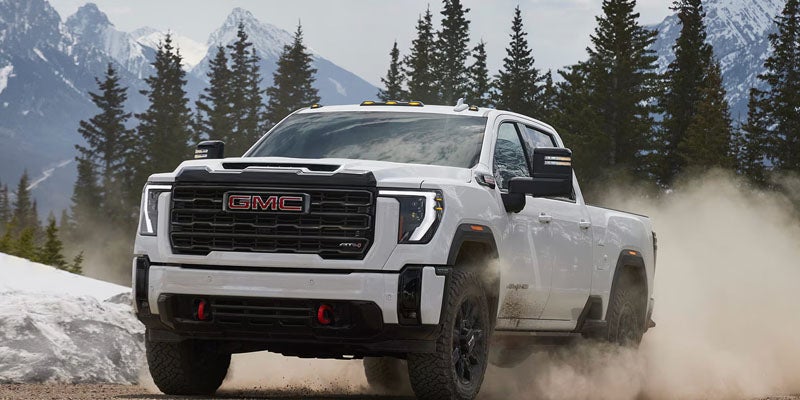
2026 GMC Sierra 2500 HD

Michigan winter roads can change by the mile—powder to slush, refreeze to glare ice, then a fresh layer of road salt and spray. Add rural and county routes that may be less predictable than main corridors, and it’s easy to see why AWD vs 4WD becomes more than a shopping question.

We also want to set expectations clearly: traction systems can help you get moving and stay composed when grip is limited, but they do not rewrite physics. Stopping still depends on speed, tire grip, road conditions, and following distance—so smart inputs behind the wheel matter every time.

AWD vs 4WD: The Practical Differences

Both AWD and 4WD can route power to the front and rear axles to improve traction in snow and other low-grip conditions. The real difference is how the system is designed to be used: AWD is commonly tuned for everyday, mixed-condition driving, while 4WD is often tied to distinct modes you choose when conditions call for it.

On many vehicles, AWD is designed to react seamlessly as conditions change—helping maintain traction in snow before wheel slip becomes obvious. By contrast, many 4WD systems include modes such as two-wheel drive for normal dry roads, an automatic setting for variable winter surfaces, and a dedicated 4WD setting intended for loose or slippery terrain—then you shift back out as roads improve.

CategoryAWD (All-Wheel Drive)4WD (Four-Wheel Drive)
Best forMixed winter pavement: plowed roads with intermittent slick spotsConditions where extra traction is needed: deeper snow, unplowed stretches, loose/slippery surfaces
Typical useDay-to-day commuting, family trips, changing road conditionsSelect when conditions call for it; some systems also offer an Auto 4WD setting for variable surfaces
Driver involvementOften automatic; may include selectable settings on some vehiclesOften mode-based and driver-selectable (2WD/Auto/4WD settings vary by vehicle)
Confidence in mixed conditionsSteady and seamless when traction changes unexpectedlyStrong when used in the right mode for the surface; best results come from choosing the correct setting
Trade-offsNot a substitute for winter tires or cautious drivingUsing certain 4WD modes on high-traction dry pavement may be discouraged; shift out when conditions improve

Where Buick and GMC Fit In

Buick and GMC owners in our area tend to use their vehicles in the real-world mix that Michigan winters demand: commuting through slush, school and family travel, weekend trips that start on plowed roads and end on snow-covered driveways, and hauling gear to work sites or outdoor destinations.

That’s where all-wheel drive vs four-wheel drive becomes practical. AWD can feel natural for drivers who want consistent, automatic support as conditions change from lane to lane. Many 4WD-equipped vehicles, on the other hand, give you more direct control—useful when you know you’re heading into conditions where traction in snow is the limiting factor and you want to select the right mode for the surface.

No matter which system you have, the win is the same: understanding what your vehicle is doing, choosing the appropriate settings when needed, and pairing the drivetrain with strong basics—good tires, healthy brakes, and clear visibility.

Winter Service Tips We Recommend

Winter capability is rarely about one feature. It’s usually a stack of small advantages that add up—especially when roads are wet, salty, and inconsistent. For Buick GMC service in winter, we recommend focusing on these essentials:

  • Tire condition and pressure: Tires are the only parts touching the road, and they influence traction in snow, steering feel, and braking confidence.
  • Alignment and steering feel: If the vehicle pulls or feels unsettled, an inspection can restore predictable tracking on slick surfaces.
  • Brake checks: Winter driving increases the need for smooth, confident braking; if braking feels different, address it early.
  • Battery health: Cold weather is hard on batteries; slow starts or electrical oddities are a sign to test before the next storm.
  • Wipers, washer system, and visibility: Salt film builds fast; clear glass and effective wipers reduce fatigue and improve reaction time.
  • General fluid checks and leak inspection: Winter is when small issues tend to become urgent.

For AWD/4WD owners specifically, we also recommend a quick “pay attention” routine:

  • Listen and feel: New clunks, binding sensations, or vibrations during turns should be checked.
  • Watch for warning lights/messages: If the vehicle indicates a drivetrain mode issue or traction system warning, schedule an inspection rather than guessing.
  • If something feels off, trust that instinct: AWD and 4WD systems vary by vehicle, so a quick inspection is the safest path to confident operation.

Common Myths

  • Myth: AWD means you can stop faster.
    AWD can help you get moving, but stopping is still about tire grip and safe spacing.
  • Myth: If you have 4WD, tires don’t matter as much.
    Tires still determine traction in snow—especially for braking and turning.
  • Myth: 4WD should stay on “just in case” all winter.
    Many vehicles have specific guidance on which 4WD modes to use on which surfaces; using the wrong mode at the wrong time can be counterproductive.
  • Myth: If traction control activates, something is wrong.
    It often means the system is doing its job—reducing slip and helping you stay composed when the road is slick.

FAQs

Is AWD or 4WD better for snow?
It depends on where and how you drive. AWD is often a comfortable fit for mixed winter pavement that changes quickly, while 4WD can be especially helpful when you need extra traction on looser or more challenging surfaces. The best choice is the one that matches your typical routes and comfort with selecting modes.

Does AWD help you stop faster?
Not necessarily. AWD is primarily about helping you maintain traction when accelerating and staying composed when conditions change, while stopping still depends heavily on tire grip and safe following distance. Slowing down early and leaving extra space remain essential winter driving tips.

Do I still need winter tires?
Tires matter because they influence acceleration, turning, and braking. Dedicated winter-capable tires are designed to maintain grip in cold conditions and can improve control on snow and slush. Even with AWD or 4WD, tires remain one of the biggest factors in winter traction.

When should I use 4WD (if equipped)?
Use 4WD modes when conditions call for extra traction—such as snow-covered roads, unplowed stretches, or other slippery/loose surfaces. Many vehicles also offer an automatic 4WD setting intended for variable winter roads, and you should shift out of higher-traction modes as conditions improve. When in doubt, follow your owner guidance and let our team help you choose the right approach.

Can I drive 4WD on dry pavement?
Many systems caution against using certain 4WD modes on dry surfaces or roads with good traction. If your vehicle offers an Auto setting designed for variable conditions, that may be a better fit when roads are inconsistent, but the right answer depends on how your system is designed. When conditions improve, it’s wise to return to the recommended on-road mode for your vehicle.

What maintenance matters most for winter traction?
Start with tires, brakes, and steering/alignment feel—those are the foundations of control. Battery health and visibility also play a big role in safer winter driving. A multi-point inspection is a practical way to check these areas at once.

Book Winter-Ready Service

If winter traction has felt unpredictable—or if you simply want peace of mind before the next round of snow and slush—we can help. We can inspect tires, brakes, battery health, wipers, and the general operation of AWD/4WD-related systems so you head out with fewer surprises and more confidence.

Book your visit through our service scheduler, or explore our new Buick and GMC inventory if you’re comparing drivetrains for your next winter season.


Posted in:

Related Posts

"Lease vs. Buy" presented as directional street signs

Leasing vs. Buying a GMC in Michigan: Which Makes More Financial Sense?

Choosing your next GMC involves more than deciding between a Terrain SUV and a Sierra pickup. There's another decision that can affect your finances for years: leasing or buying. Both options put you behind the wheel, but their costs, restrictions, and long-term benefits differ considerably. For drivers around Frankenmuth, MI, understanding those differences is the first step toward making a confident financing decision. Leasing a GMC: Lower Payments, More Frequent Upgrades Leasing allows you to drive a new GMC for a predetermined period, typically 24 to 36 months, while making monthly payments. Because those payments generally cover the vehicle's expected depreciation during the lease term, they're often lower than payments on a comparable purchase loan. That can make leasing attractive for drivers interested in upgrading regularly, perhaps moving into a newer GMC Acadia or Sierra 1500 every few years. At lease-end, you typically return the vehicle or exercise an available purchase option. However, mileage allowances, excess wear charges, and modification restrictions deserve careful attention. Leasing also doesn't build ownership equity. Buying a GMC: Ownership and Long-Term Flexibility Financing a purchase means borrowing against the vehicle's purchase price and making payments until the loan is satisfied. Once it's paid off, you own the GMC outright. That's especially appealing for drivers who accumulate substantial mileage, plan to keep their vehicles for years, or need the freedom to customize them. GMC Sierra 2500 HD and Sierra 3500 HD buyers, for example, may value ownership when their trucks serve demanding work and towing requirements. GM Financial offers financing options across the GMC lineup, including electric models such as the Sierra EV. Online prequalification can also help buyers explore financing possibilities before visiting the dealership. Comparing Monthly Costs and Long-Term Value A lower monthly payment doesn't automatically mean a lower total ownership cost. Leasing can reduce monthly expenses, but repeated lease agreements mean continuing payments without acquiring the vehicle. Buying may require larger monthly payments, yet ownership provides the opportunity to drive payment-free after the loan is satisfied. Loan interest, lease fees, down payments, taxes, and insurance can all influence the calculation. Buyers also retain the ability to sell or trade their vehicles, subject to any outstanding loan balance. Comparing the total cost over your expected ownership period provides a clearer financial picture. Mileage and Vehicle Use Can Decide the Issue Consider two different Michigan drivers. One wants a new GMC Terrain every few years, drives predictable annual mileage, and enjoys having updated technology. Leasing could be an attractive fit. Another operates a Sierra HD for business, drives extensively, and expects to keep the truck well beyond 100,000 miles. Buying offers greater flexibility without lease mileage penalties. Drivers interested in advanced connected features, including available Google Gemini integration in select GMC vehicles, may also appreciate leasing's shorter replacement cycle. Your driving habits should carry more weight than the appeal of a particular monthly payment. Don't Overlook Certified Used GMC Vehicles Purchasing doesn't necessarily require choosing a brand-new vehicle. GMC certified used models provide another financing option for shoppers seeking different purchase costs and ownership flexibility. Depending on eligibility and lender terms, financing may be available through GM Financial. Comparing new leases, new-vehicle loans, and certified used financing can reveal alternatives that deserve consideration. Explore GMC Financing at Mike Young Buick GMC The best financing arrangement depends on your mileage, budget, vehicle requirements, and ownership plans. Visit Mike Young Buick GMC in Frankenmuth, MI, to compare leasing and purchasing options, review available inventory, and explore your trade-in value. The dealership team can help you evaluate financing terms before choosing your next GMC.

A vehicle mechanic holds tools in the shop while giving a thumbs up

GMC Winter Service Guide: Preparing Your Truck or SUV for Michigan Weather

Michigan winters put vehicle engineering to the test. Freezing temperatures reduce battery performance, snow compromises traction, and road salt accelerates corrosion. Even a capable GMC Sierra or Yukon needs proper maintenance to handle those conditions reliably. For drivers around Frankenmuth, MI, scheduling a winter inspection at our GMC service center before temperatures plunge can help prevent expensive repairs and inconvenient breakdowns. Why Winter Maintenance Deserves Attention Cold weather affects nearly every major vehicle system, from electrical components to tires and engine lubrication. GMC trucks and SUVs are engineered for demanding conditions, but mechanical durability still depends on maintenance. A pre-winter inspection helps identify worn components, deteriorating fluids, and developing electrical problems before freezing weather makes them worse. Addressing those concerns early is generally less expensive and considerably more convenient than arranging emergency repairs during a snowstorm. Battery Testing: Cold Weather's Electrical Challenge A battery that starts your GMC without hesitation in September may struggle in December. Low temperatures reduce available battery power while increasing the energy required to crank a cold engine. GM Certified Service technicians can test battery condition and cold-cranking performance while inspecting charging-system operation and electrical connections. GMC vehicles have different electrical requirements, including conventional gasoline and diesel models versus electric vehicles such as the Sierra EV. Technicians familiar with those systems can identify potential problems and recommend appropriate maintenance before a weak battery leaves you stranded. Tires: Where Winter Performance Begins Even the most sophisticated traction-management system depends on four relatively small contact patches. Worn tread, incorrect inflation pressure, and unsuitable tires can undermine braking, steering, and acceleration on snow-covered roads. A winter tire inspection evaluates tread depth, inflation, and overall condition. Dedicated winter tires can provide improved cold-weather traction compared with many all-season alternatives. GMC technologies, including available Transparent Trailer View on properly equipped models, can assist drivers with visibility, but they cannot compensate for inadequate tire grip. Fluids and Diesel Fuel Require Special Attention Cold temperatures change how fluids behave. Engine oil must maintain appropriate viscosity, coolant needs sufficient freeze protection, and windshield washer fluid should withstand Michigan temperatures. Brake fluid condition also deserves inspection. GM Certified Service technicians can evaluate these fluid systems using specifications appropriate for your GMC. Diesel-powered Sierra HD owners should pay particular attention to fuel quality and cold-weather treatment because diesel fuel can develop wax crystals that restrict fuel flow in extreme temperatures. Proper seasonal preparation helps protect fuel-system operation. Check Your Connected and Driver-Assistance Systems Winter preparation also extends to vehicle technology. Depending on equipment and an eligible active service plan, OnStar® can provide emergency assistance, roadside support, and compatible remote vehicle functions. Confirming service availability before winter is worthwhile. Cameras and sensors supporting available Super Cruise® and other driver-assistance technologies should remain clean and unobstructed. Snow, ice, and road grime can interfere with their operation. Drivers are advised to remain attentive and follow each system's operating limitations, particularly during poor weather. Schedule GMC Winter Service in Frankenmuth A thorough seasonal inspection can identify developing problems before Michigan's harshest weather arrives. Mike Young Buick GMC in Frankenmuth, MI, offers GM Certified Service for GMC trucks and SUVs, including battery testing, tire inspections, and fluid maintenance. Schedule your winter service appointment before freezing temperatures and heavy snowfall put additional demands on your vehicle.

How to Choose the Right GMC for Your Lifestyle

Choosing a new vehicle is one of the bigger decisions you will make, and with so many great options available, it helps to have a clear sense of what you actually need. Whether you haul equipment during the week or load up the family for weekend trips, GMC builds vehicles designed around real-world use. Understanding how to choose the right GMC for your lifestyle starts with knowing how you plan to use it every day. What Kind of Driver Are You? The first step in how to choose the right GMC for your lifestyle is being honest about how you spend your time behind the wheel. Do you spend most of your day commuting, or are you out on the trails on weekends? Do you need to tow a trailer or simply get the kids to school safely? Your driving habits will quickly narrow down the right segment for you. GMC offers trucks, SUVs, and electric vehicles, so there is a starting point for nearly every type of driver. Taking a moment to list your must-haves before you start browsing can save you a lot of time. Trucks: Built for Work and Weekend Adventures If towing, hauling, or off-road capability is part of your life, GMC's truck lineup is worth a close look. The Canyon is a strong choice for drivers who want capable performance in a more manageable size. The Sierra 1500 steps things up for those who need greater towing and payload capacity for work or recreation. For those who require serious heavy-duty performance, the Sierra HD delivers the kind of capability that gets demanding jobs done. If you're a driver in Frankenmuth, MI, who regularly tows boats, trailers, or equipment, one of the Sierra HD configurations could be a great match. SUVs: Room, Comfort, and Versatility GMC's SUV lineup is a go-to for families and anyone who needs flexible space without giving up refinement. The Terrain works well for daily drivers who want a compact footprint with modern features. The Acadia offers more passenger room and a comfortable mid-size experience. For those who need maximum space - think large families or frequent road-trippers - the Yukon and Yukon XL provide a full-size presence with a well-appointed interior. The Denali and AT4 trims across the SUV lineup also let you tailor comfort and capability to your specific preferences. Electric Vehicles: A Modern Take on Professional Grade GMC has brought its Professional Grade identity to the electric space in a significant way. The Sierra EV combines electric efficiency with genuine truck utility. For those who want something truly bold, the GMC HUMMER EV Pickup and HUMMER EV SUV make a statement while delivering impressive all-terrain performance. If you're curious about making the switch to electric, these models show that capability and innovation can go hand in hand. Finding Your Match Once you know your segment, think about how you use your vehicle most. Frequent off-roaders might gravitate toward an AT4 model, while those who prioritize luxury finishes and elevated features will feel at home in a Denali trim. Families who need award-winning safety and comfort features often find the Acadia or Yukon XL to be a natural fit. The right trim level and configuration can make a big difference in long-term satisfaction. Visit Mike Young Buick GMC Knowing how to choose the right GMC for your lifestyle is easier when you have the right team behind you. At Mike Young Buick GMC, you can explore the full lineup and find the model and trim that fits the way you actually live. Serving drivers throughout Frankenmuth, MI, the team is ready to help you get behind the wheel of the GMC that makes the most sense for you.