



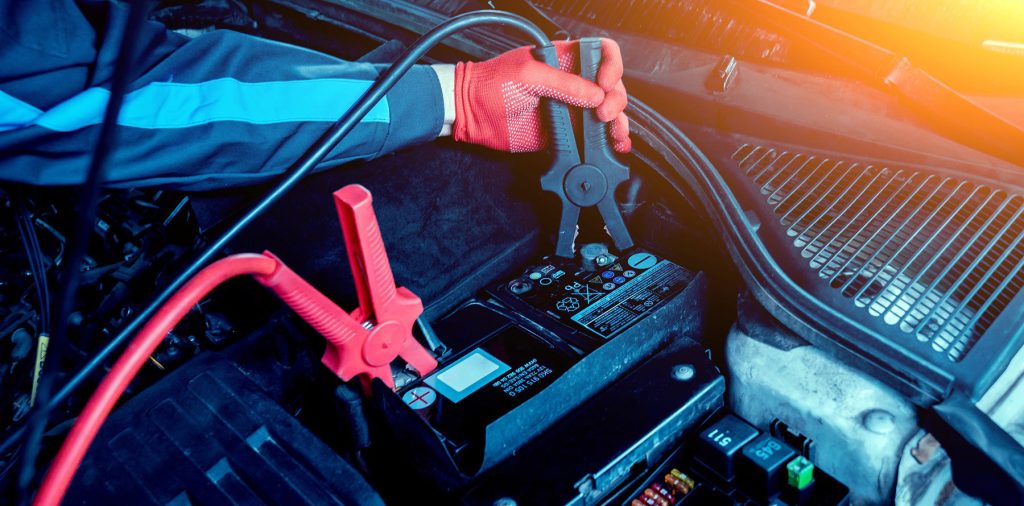
When winter settles over Michigan and the thermometer dips toward single digits, it’s not just you that feels sluggish in the morning—your car battery does, too. Drivers around Frankenmuth, Flint and the rest of Mid-Michigan know the routine: ice on the windshield, crunchy snow underfoot and, sometimes, that dreaded slow crank when you turn the key.
Cold weather is one of the toughest stress tests your battery will ever face. Understanding why it happens—and how GM Certified Service can help—can mean the difference between a smooth start and being stranded in a frozen parking lot.
Why cold weather is so hard on car batteries
Your battery is essentially a box of controlled chemical reactions. As temperatures drop, those reactions slow down, which means the battery can’t produce as much power. At the same time, cold weather thickens engine oil, so the starter needs more energy to turn the engine over. The result: your battery is weaker just when your engine demands more from it.
Around freezing (32°F), a typical car battery can lose a significant amount of its available power. Drop closer to 0°F, and it can be down by more than half. In other words, the same battery that seemed “fine” in October can suddenly struggle after a January cold snap.
There’s another twist: hot summers quietly damage batteries over time, and winter simply exposes that damage. Heat accelerates internal wear; months later, the weakened battery is far more likely to fail when cold weather arrives and demands more from it.
Why Michigan winters are especially tough
Mid-Michigan drivers deal with more than just low temperatures. Our batteries endure:
- Long stretches of cold, not just a single chilly morning
- Repeated short trips (think school runs and quick errands) that never give the alternator enough time to fully recharge the battery
- Heavy use of heaters, defrosters, heated seats, headlights and wipers, all drawing extra power
Those factors combine into a perfect storm. The battery is working harder while also recharging more slowly in the cold. Over time, that can leave even a relatively new battery closer to the edge than you might expect.
Signs your battery is struggling in the cold
A failing battery doesn’t always die suddenly; it often drops hints, especially when temperatures fall. Watch for:
- Slower cranking when you start the engine
- Headlights that dim noticeably at start-up
- Clicking sounds when you turn the key or press the start button
- Electrical quirks—dash lights flickering, radio cutting out, power windows moving slower than usual
If your battery is more than three to five years old, or you’re not even sure how old it is, a Michigan winter is not the time to gamble. A quick battery health check can tell you a lot about how close you are to trouble.
Why GM Certified battery service matters for Buick and GMC vehicles
You can buy a battery almost anywhere—but not all testing, diagnosis or replacements are the same. For Buick and GMC owners, GM Certified Service offers advantages that generic quick stops simply can’t match.
1. Correct testing with GM-approved equipment
GM Certified technicians use diagnostic tools calibrated for your vehicle’s electrical system. Instead of guessing based on age alone, they can measure actual cold-cranking performance, reserve capacity and charging system health. That means you get a real picture of whether your battery is still strong or on borrowed time.
2. Batteries engineered for your Buick or GMC
Not every “fits your vehicle” battery is truly optimized for it. GM-approved batteries are designed to meet specific cold-cranking and reserve-capacity requirements for each Buick and GMC model. That’s especially important in Michigan, where low temperatures are routine, not rare. Choosing the right battery helps ensure you have enough power on the coldest mornings and enough durability to handle seasons of heavy accessory use.
3. Installation that considers the whole electrical system
Modern Buick and GMC vehicles are loaded with electronics—advanced safety systems, infotainment, remote start, cameras and more. A proper battery installation is about more than swapping parts; it can involve memory-saving procedures, system resets and confirming that charging and grounding points are clean and secure. GM Certified technicians know how each system should behave once the new battery is in place.
4. Integrated multi-point inspection
When you schedule battery service at a GM Certified Service center, the visit often includes a broader look at your vehicle: belts, hoses, fluids, brakes and tires. That’s especially valuable heading into winter, when weak spots in other systems can show up quickly in cold weather.
When to schedule GM battery service in Michigan
For most Buick and GMC drivers in Mid-Michigan, it’s smart to schedule a battery check:
- Before the first big cold snap of the season
- If your battery is three years old or older
- Any time you notice slow cranking or dimming lights at start-up
- After a summer of extreme heat or heavy use, before winter arrives
A quick test can reassure you that your battery is ready—or give you a chance to replace it on your terms, rather than on the side of the road or in a frozen driveway.
If you drive a Buick or GMC in the Frankenmuth or Flint area, scheduling GM Certified battery service at your local Buick & GMC dealer, such as Mike Young Buick GMC, is one of the most effective ways to winter-proof your vehicle. You’ll know your battery has been tested, evaluated and—if needed—replaced with the right GM-approved part by people who know your vehicle inside and out.
Stay ahead of winter, not behind it
Michigan winters aren’t going to get easier. But your mornings can. By understanding how cold weather affects your car battery and taking advantage of GM Certified Service for your Buick or GMC, you can dramatically reduce the chances of that dreaded no-start situation.
A few minutes on the service scheduler now is a lot better than waiting for a tow truck later. Book your GM battery check and service before the next cold front hits, and give yourself one less thing to worry about when the snow starts falling.
Connect with us


- 2026 GMC Acadia
- 2026 GMC Sierra-1500
- Buick SUVs With Best Gas Mileage
- Frankenmurth GMC Vehicles
- Frankenmuth Activities
- Frankenmuth Buick Dealer
- Frankenmuth Buick Service
- Frankenmuth Used Cars
- GM Service
- Mike Young Buick GMC
- Mike Young Buick GMC Service
- New2026 Buick Enclave
- Tire Service
- Uncategorized